
 Buying a home is a big step, and choosing the right mortgage is a major part of that journey. If you are looking for a home loan, you will likely hear the term conforming conventional loan. While it sounds like a mouthful, it is actually the most common type of mortgage in the United States.
In simple terms, a conventional loan is a mortgage that is not backed by the government. Instead, these loans are handled by private lenders like banks or credit unions. A conforming loan is a specific type of conventional loan that follows a set of rules created by two big organizations called Fannie Mae and Freddie Mac.
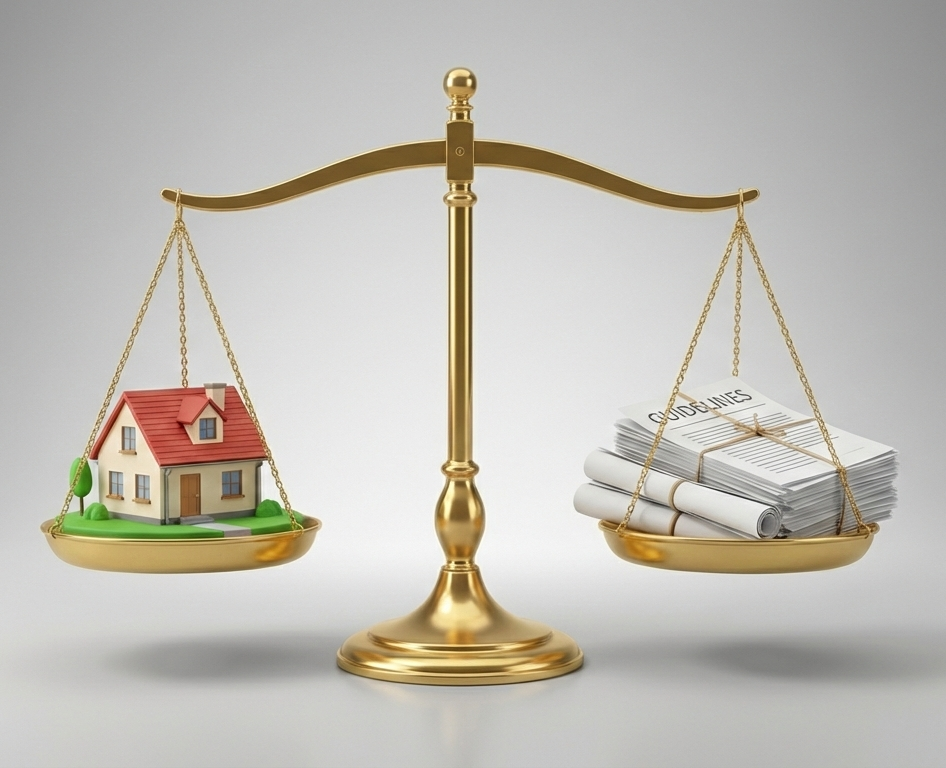
Fannie Mae and Freddie Mac do not lend money directly to you. Instead, they buy mortgages from banks. To make sure these loans are safe investments, they set strict guidelines. If a loan meets these standards, it is called a conforming loan.
Because these loans are considered safer for banks, they often come with lower interest rates. This means you could end up paying less money over the life of your loan compared to other options.
One of the most important rules for a conforming loan is the loan limit. This is the maximum amount of money you can borrow using this specific type of mortgage. These limits change every year based on home prices across the country.
For 2026, the baseline limit for a single family home in most of the United States is $832,750.
If you live in a very expensive area where houses cost much more, that limit can go as high as $1,249,125. If you need to borrow more than these amounts, you would typically need a different kind of loan called a jumbo loan, which often has higher interest rates and tougher requirements.
 What You Need to Qualify
Since the government is not protecting the bank if you stop making payments, lenders are a bit more careful about who they approve. Here is what they typically look for:


